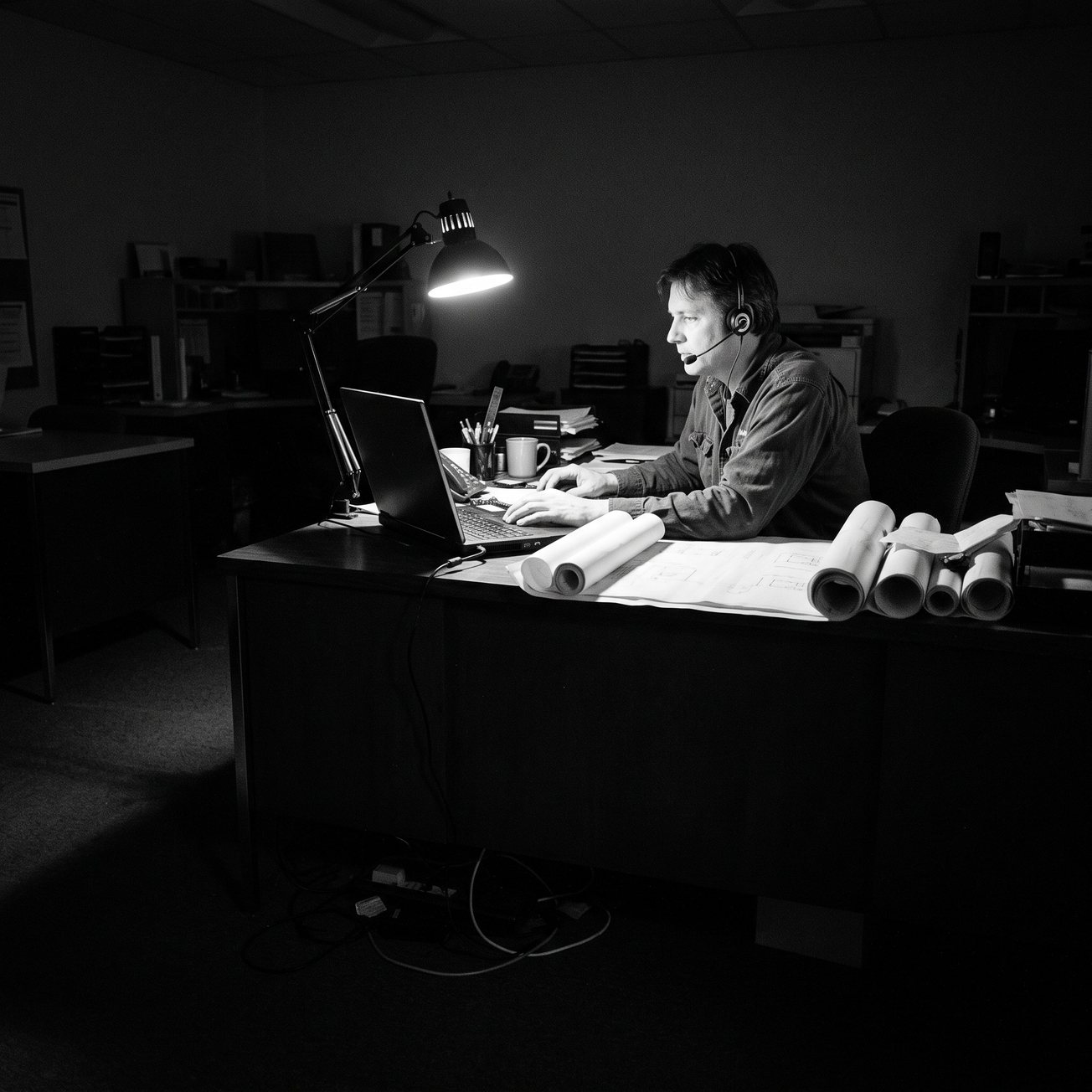
Control systems for plants and utilities.
Halden designs, builds, programs and commissions control systems for food and beverage plants, automotive suppliers, packaging and plastics plants, building materials makers, and water and wastewater utilities.
The 24-hour service line: (616) 555-0199.
Ask for a site walk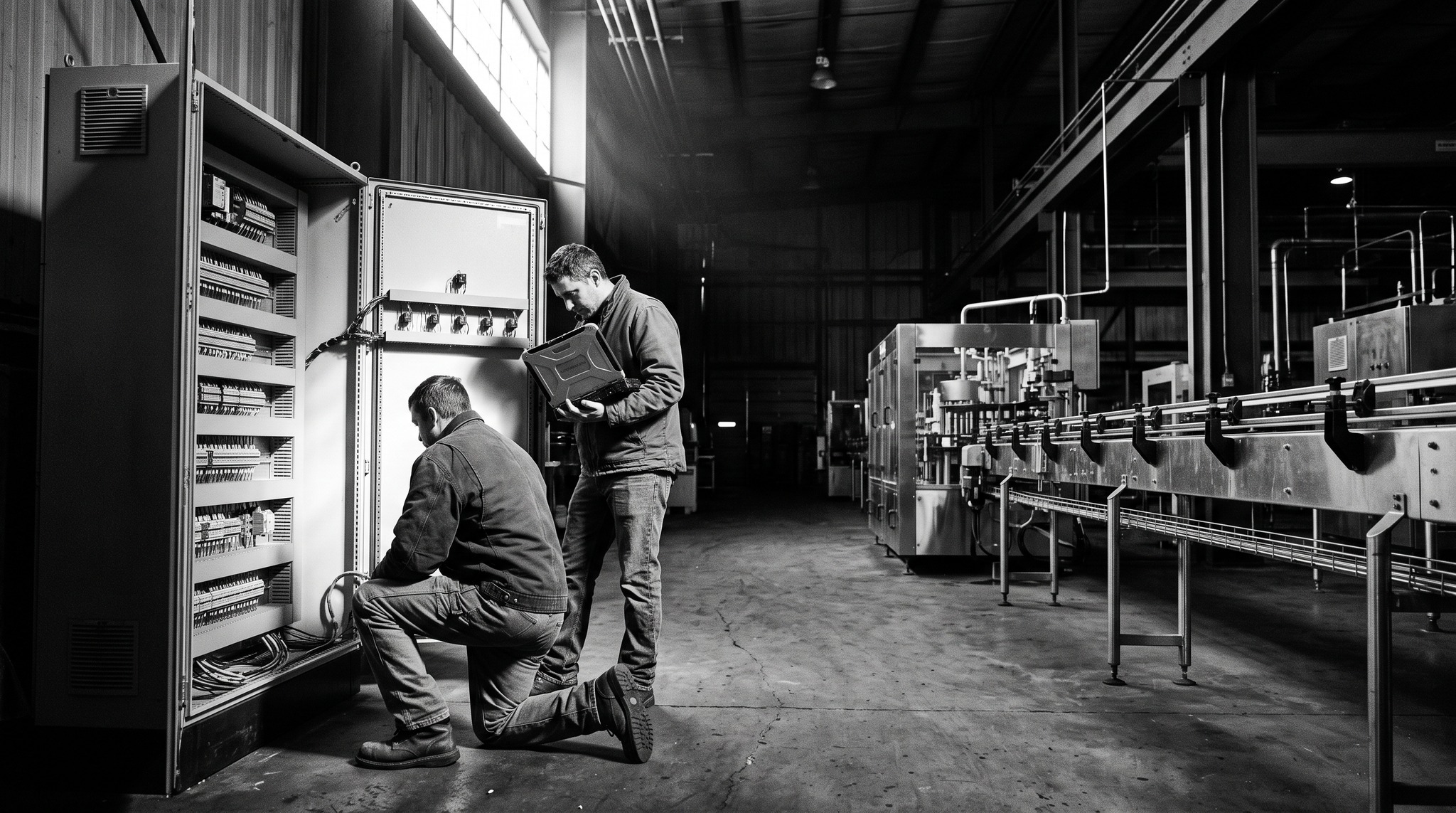
Seven services
- Controls Engineering
- Control Panels
- Legacy Migrations
- Robot Cells
- Machine Safety
- Plant Data
- Service
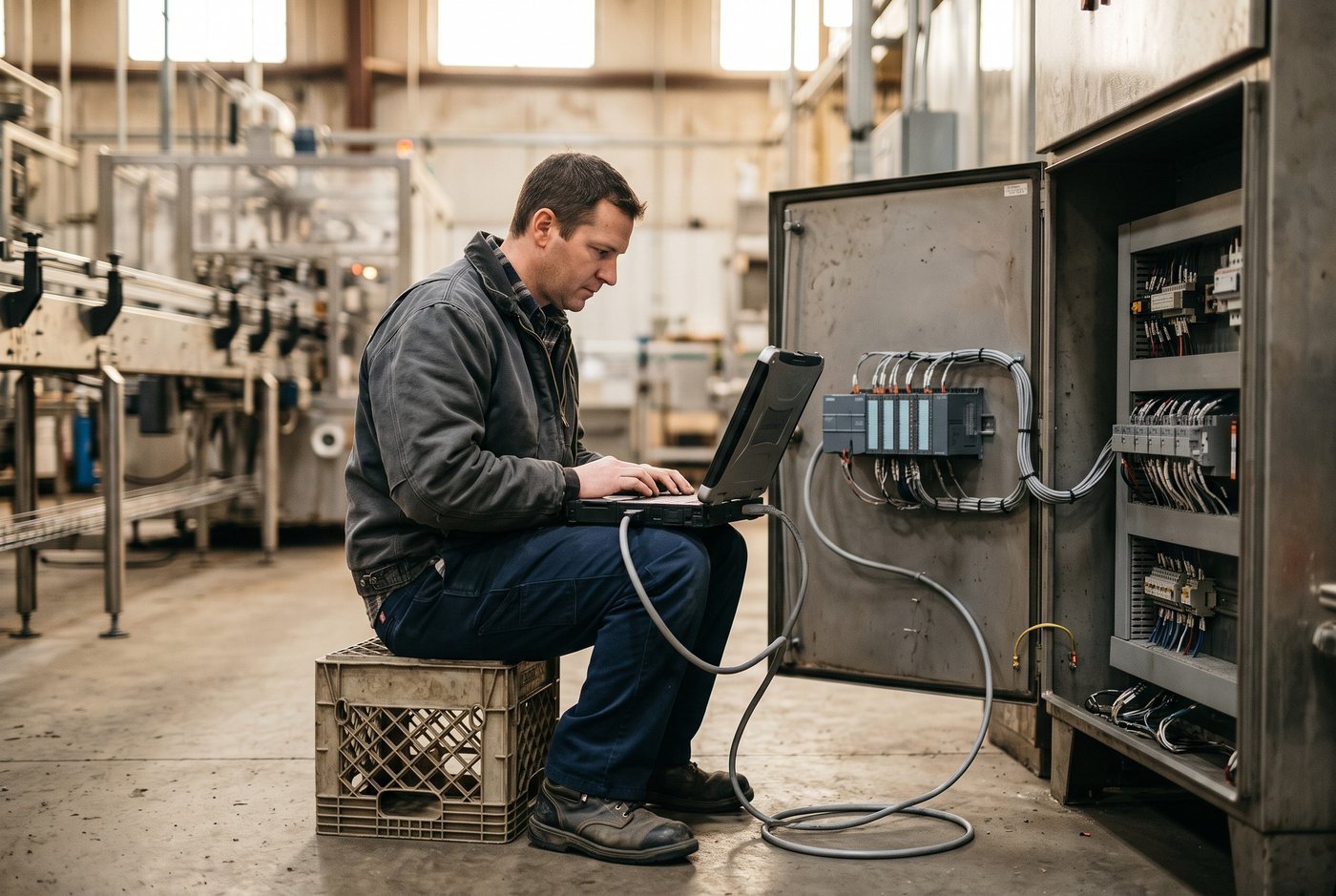
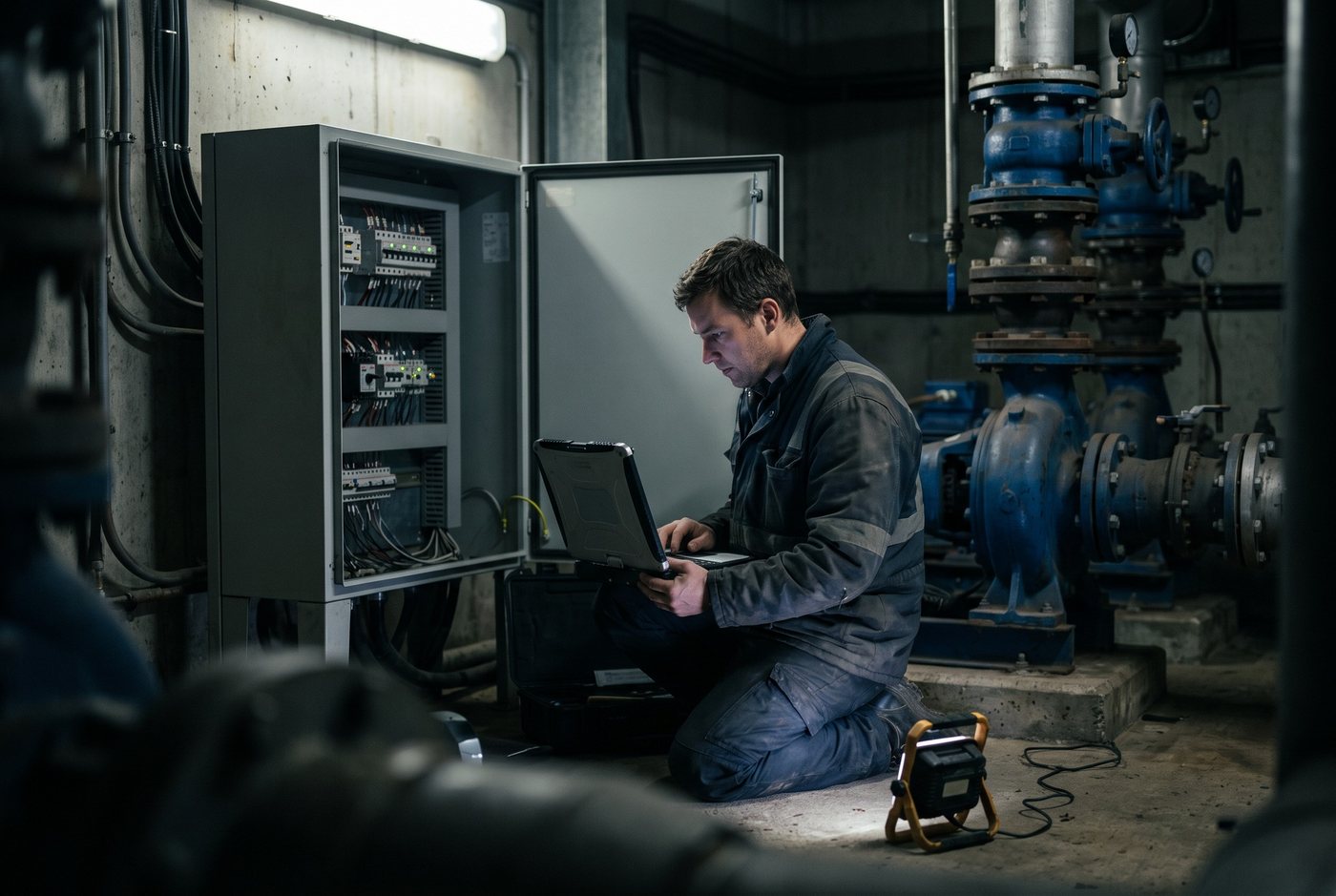
Controls Engineering. Programming for the controllers and operator screens that run a machine or a line, written to the plant’s own standards where it has them and to Halden’s published standard where it does not. Every program is delivered with its source, commented line by line.
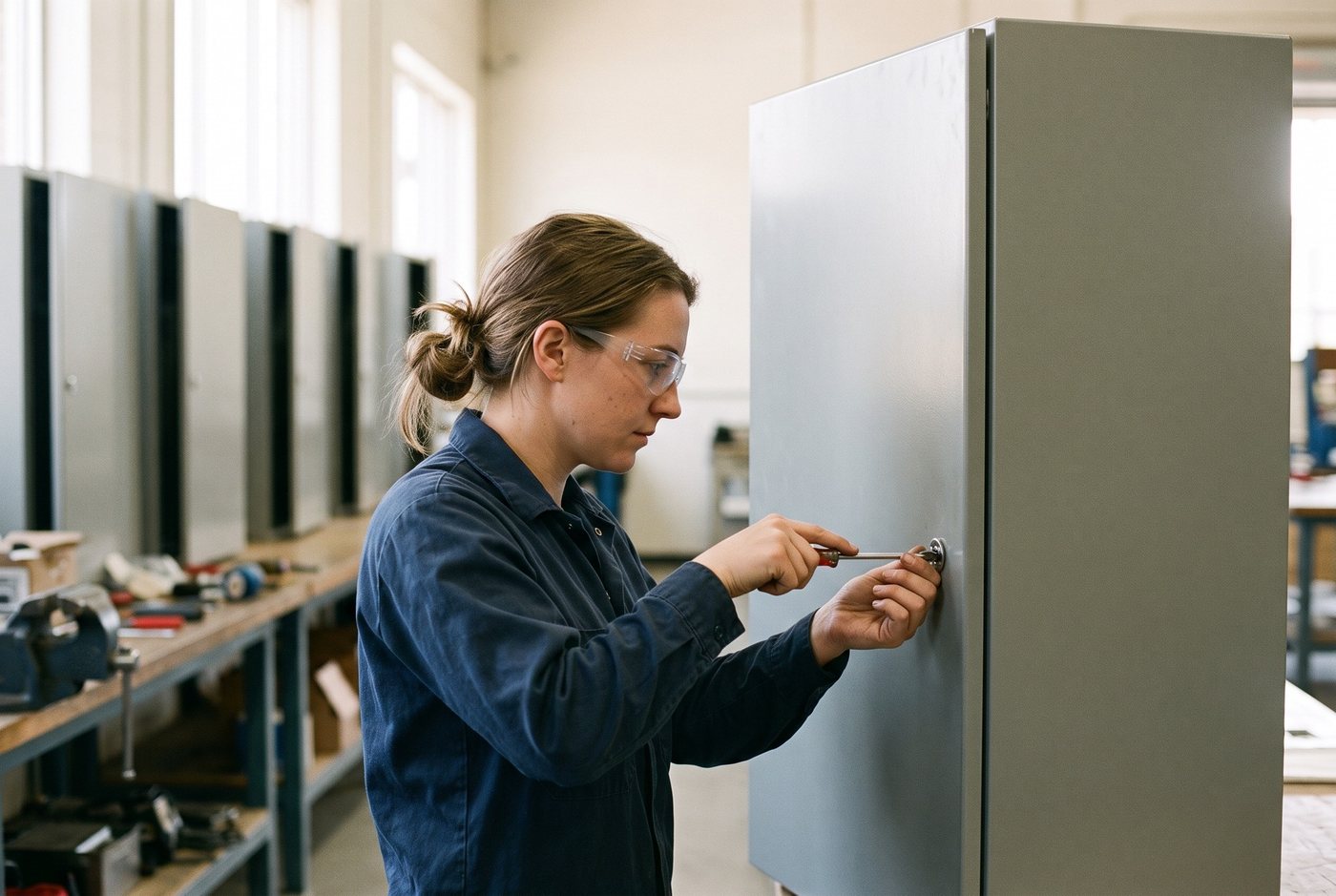
Control Panels. Design and build of control panels in Halden’s own panel shop in Grand Rapids, from a single motor starter to a line of twelve-door enclosures. The shop is listed to UL 508A, and every panel is wired, labelled, powered up and tested there before it ships.
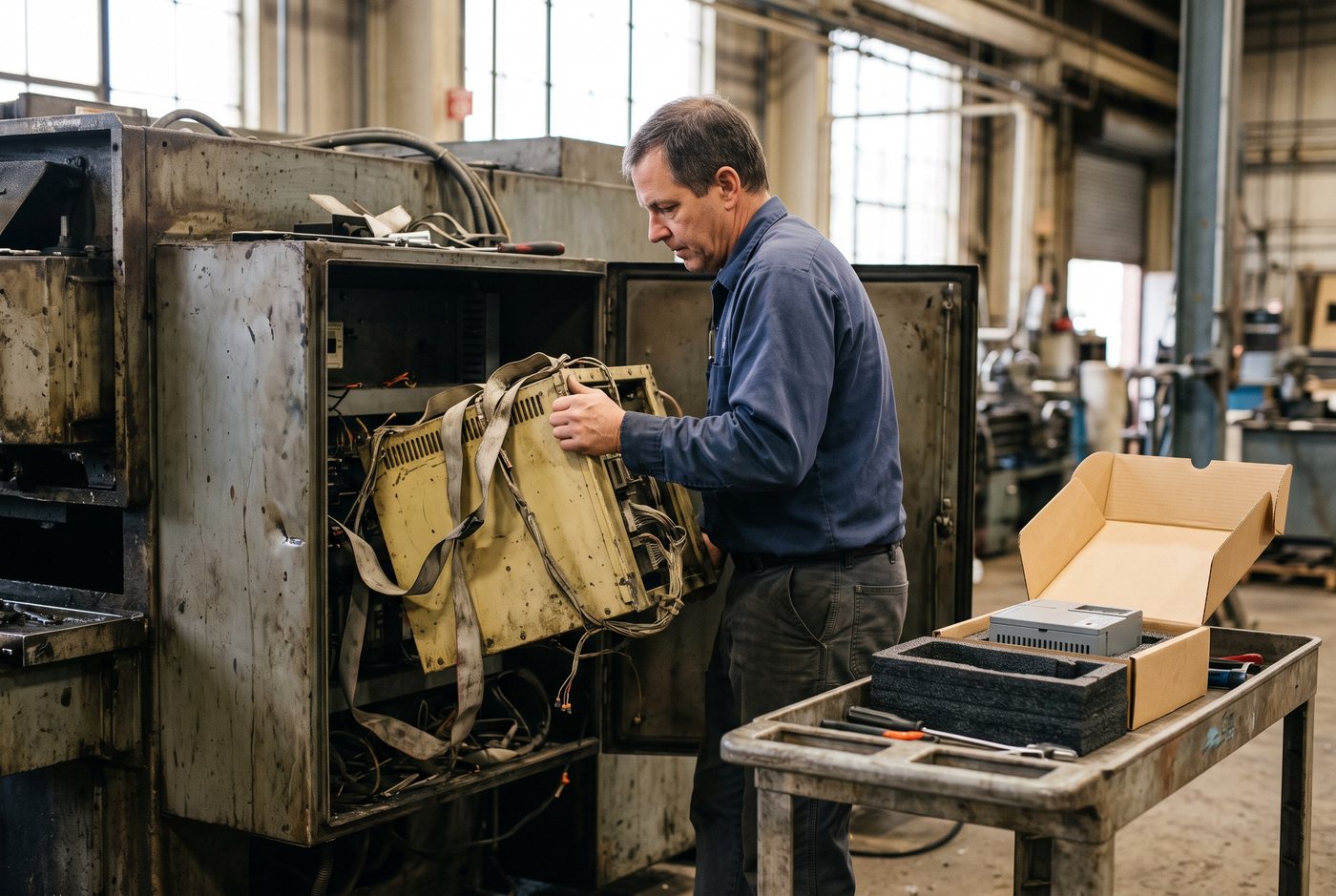
Legacy Migrations. Replacing controllers, drives and operator screens that are no longer made, during a planned shutdown. The old program is converted, tested against a simulation of the line, and then proved on the real line before the shutdown ends.
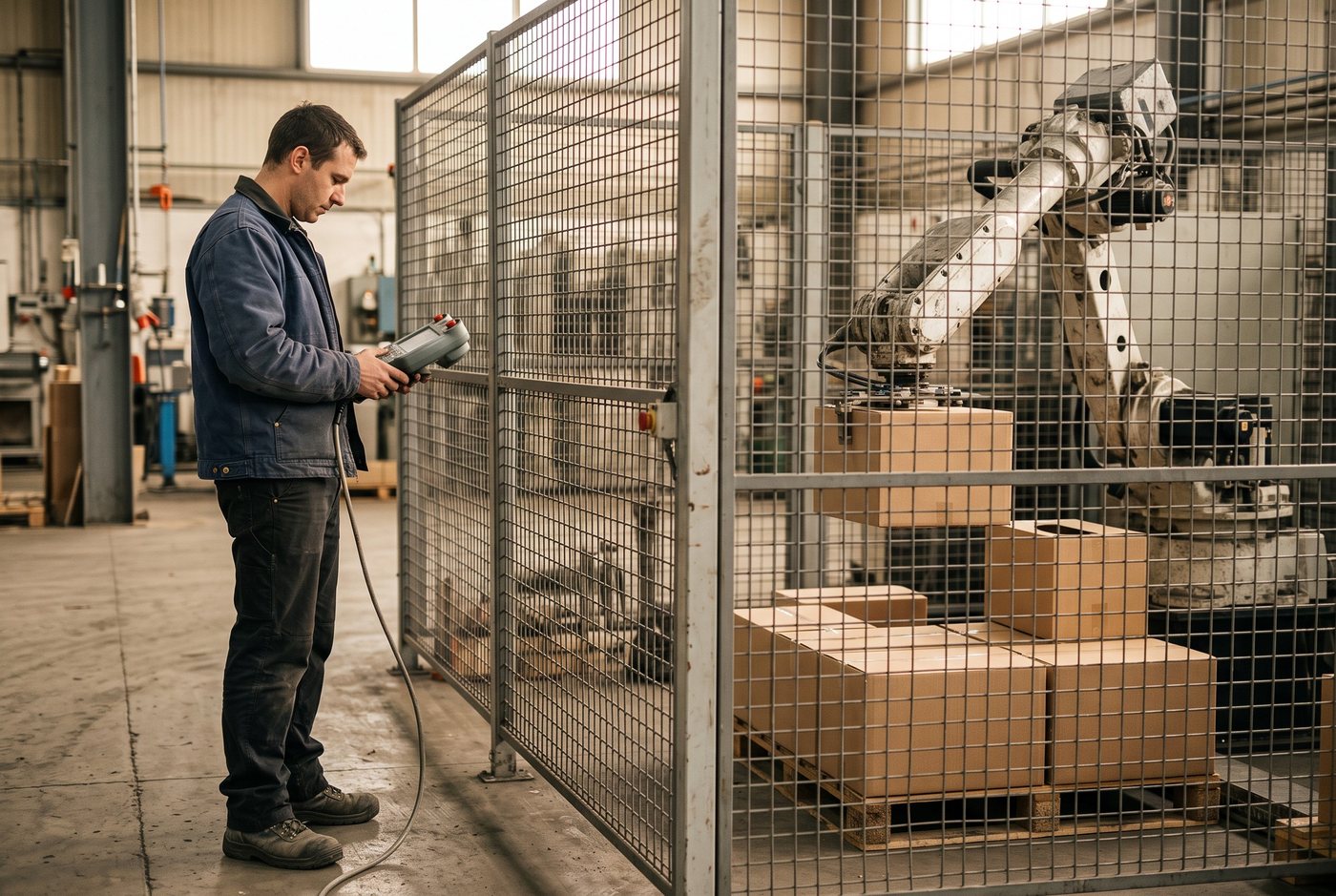
Robot Cells. Palletizing, machine tending and pick-and-place cells, designed, guarded, programmed and tested as one unit in the shop, then installed in the plant.
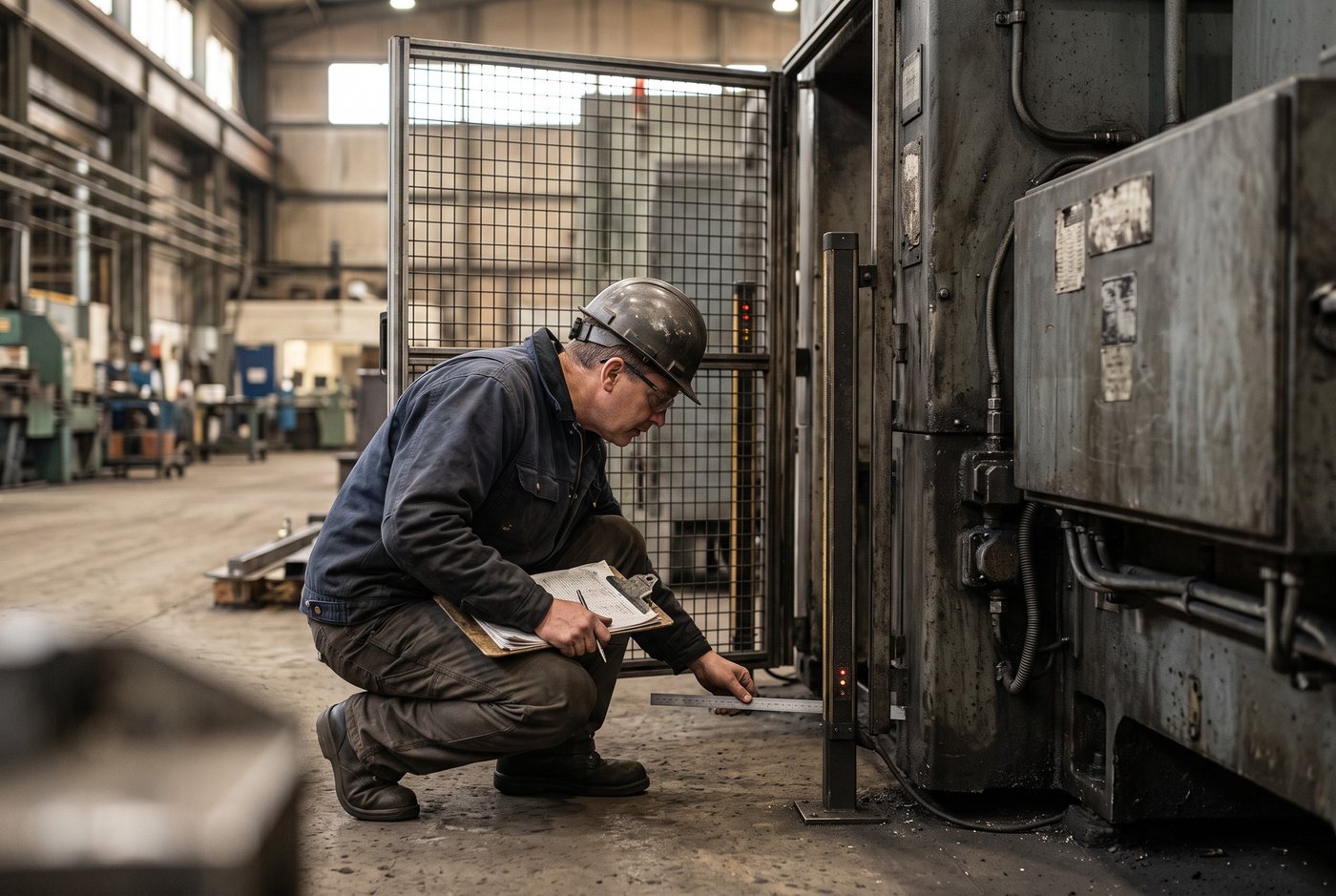
Machine Safety. Risk assessments of existing machines, and the design, wiring and validation of the safety circuits that follow from them: guard doors, light curtains, emergency stops and safe speed. Each machine gets a written validation report.
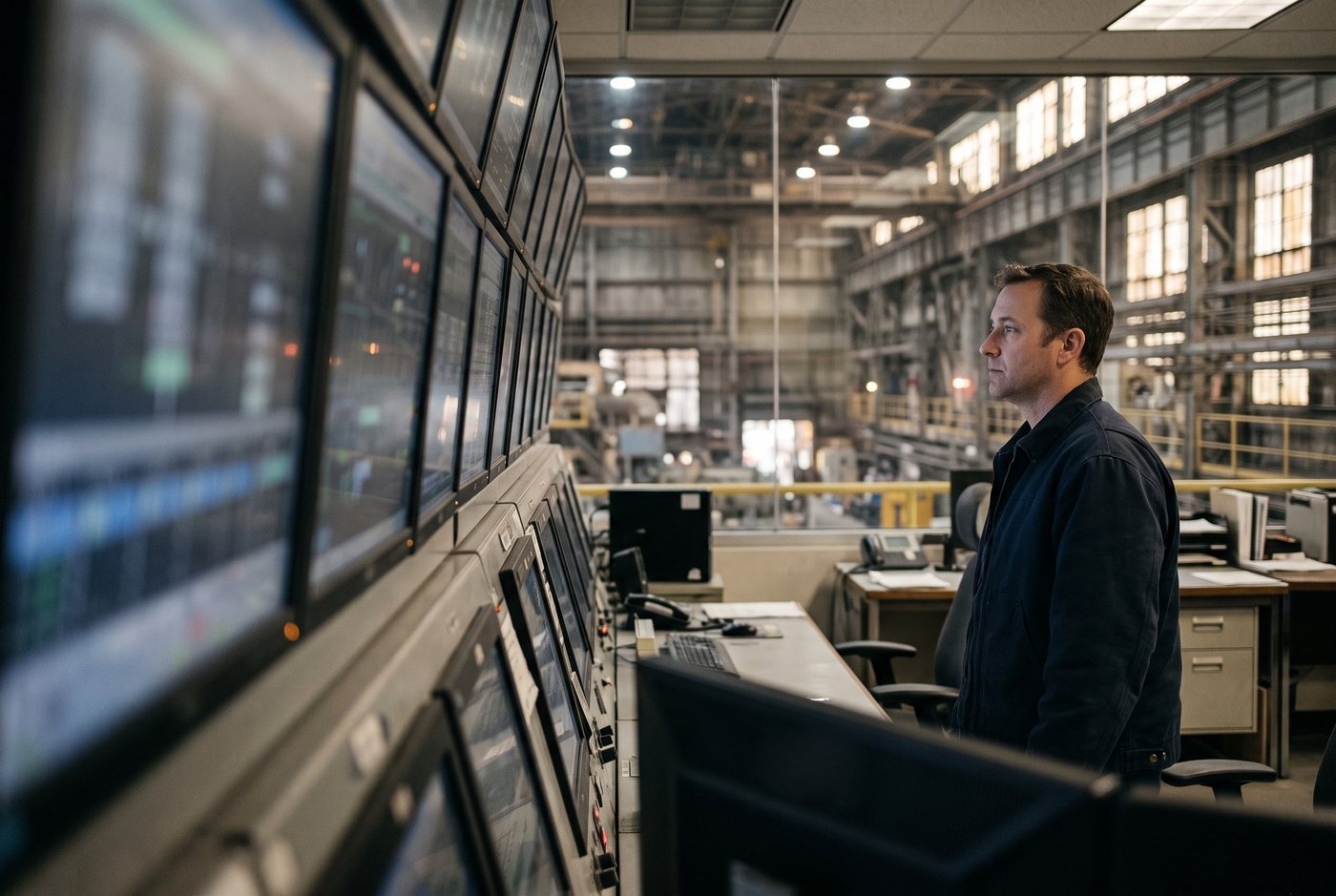
Plant Data. Screens for the whole plant in one place, and production data collected from every line: counts, downtime with its reasons, energy and alarms. Reports arrive by email each morning, and the data stays on the plant’s own servers.
Service. A telephone line answered by a controls engineer 24 hours a day, every day of the year, remote connection where the plant allows it, and an engineer on site when it does not. Open to any plant, whether or not Halden built the system.
The plant owns everything
Every project ends with the plant owning everything. The drawings as built, the program source with every line commented, and the passwords are handed over on the last day. Nothing is locked, and nothing needs Halden to change it later. Halden was founded in 2011 in Grand Rapids, Michigan, by two controls engineers, Karin Halden and Marcus Oyelaran, who had spent years being called out at night to lines other firms had programmed and left without drawings.
How a project goes
Site walk
An engineer walks the line with the plant’s own people and writes down what is there. Free, and booked within 10 working days of the request.
Fixed-price proposal
Within 10 working days of the site walk: the scope, a list of the drawings to be made, a schedule and one price.
Design
Electrical drawings and a written description of how the line will run, which the plant reads and signs before anything is built.
Build and test in the shop
The panels are built and the program is run against a simulation of the line. The plant’s own operators and maintenance staff are invited to the shop to try it and to break it.
Installation and startup
In the plant, in the planned shutdown. Halden’s engineers stay on site until the line has run a full shift at its target rate.
Handover
Drawings as built, program source, passwords, a parts list with the spares worth keeping, and training for each shift’s maintenance staff. Then a 12-month warranty on Halden’s work.
The site walk and the proposal are free. A request for a site walk is answered within one working day, by an engineer.
Prices
A project has one fixed price, agreed before work starts. A change is priced and agreed in writing before it is made. Service plans run by the month and are ended with 30 days’ notice. All prices are in US dollars.
Free
Site walk and proposal. Every project starts with both.
$9,500
A control panel job. In 2025 the price of one started here.
$48,000
A legacy migration of one line. In 2025 the price of one started here.
$185,000
A robot cell. In 2025 the price of one started here.
$168 an hour
A controls engineer by the hour. For small jobs and for work with no fixed scope. Travel time is charged at half rate.
$96 an hour
A panel technician by the hour. For small jobs and for work with no fixed scope. Travel time is charged at half rate.
$1,250 a month
Line Watch. The 24-hour line, remote help within one hour, and an engineer on site the next working day. Includes four hours of engineering a month.
$3,400 a month
Plant Watch. Everything in Line Watch, plus an engineer on site within four hours in Michigan and upstate South Carolina, a backup of every program in the plant kept current, and two days of planned maintenance a quarter. Includes twelve hours of engineering a month.
$240 an hour
Service without a plan. With a four-hour minimum on site.
Finished work
Twelve of the 1,180 projects delivered since 2011.
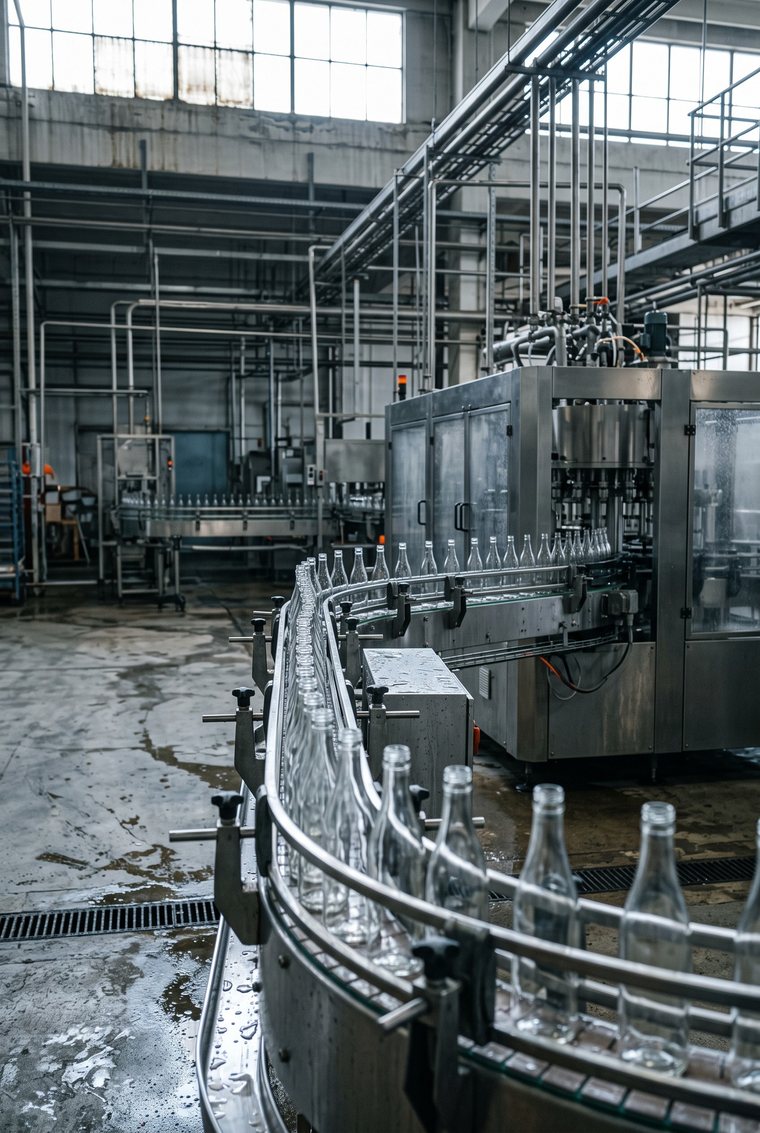
Bottling line 4 migrationBeverage plant, Holland, Michigan, 2025
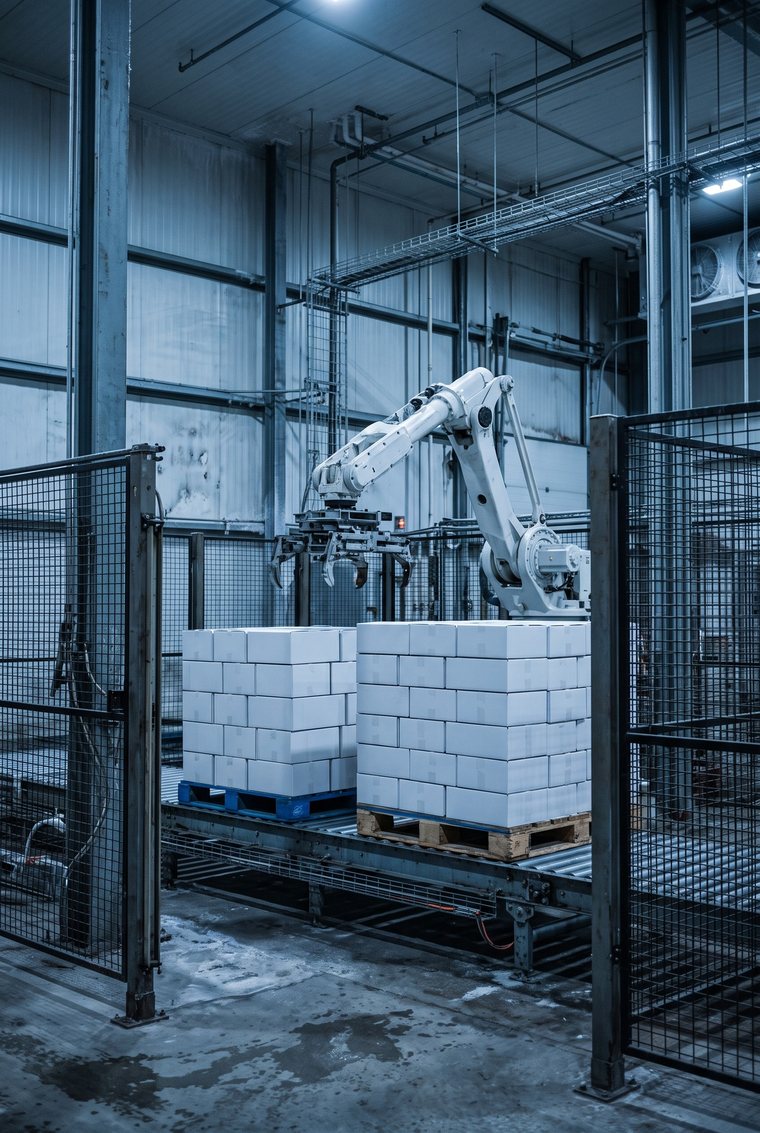
Robot palletizing cell, two linesFrozen foods plant, Kalamazoo, Michigan, 2025
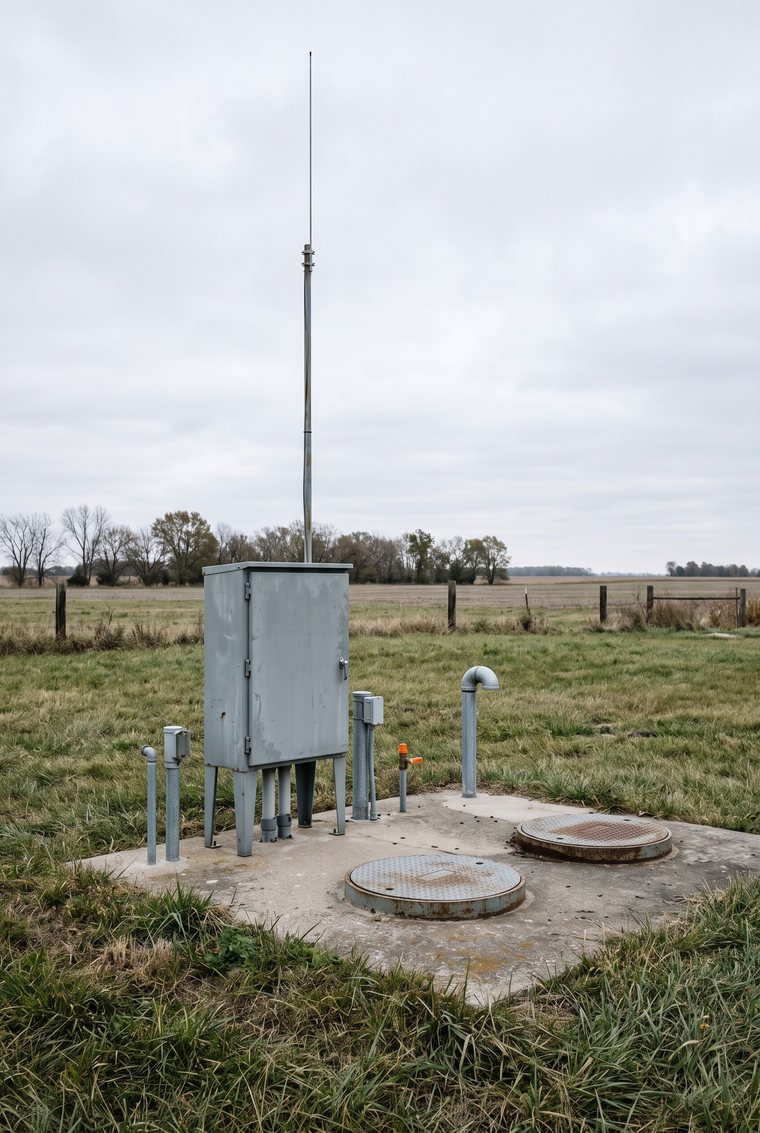
Telemetry for 14 lift stationsTownship water utility, Ottawa County, Michigan, 2024
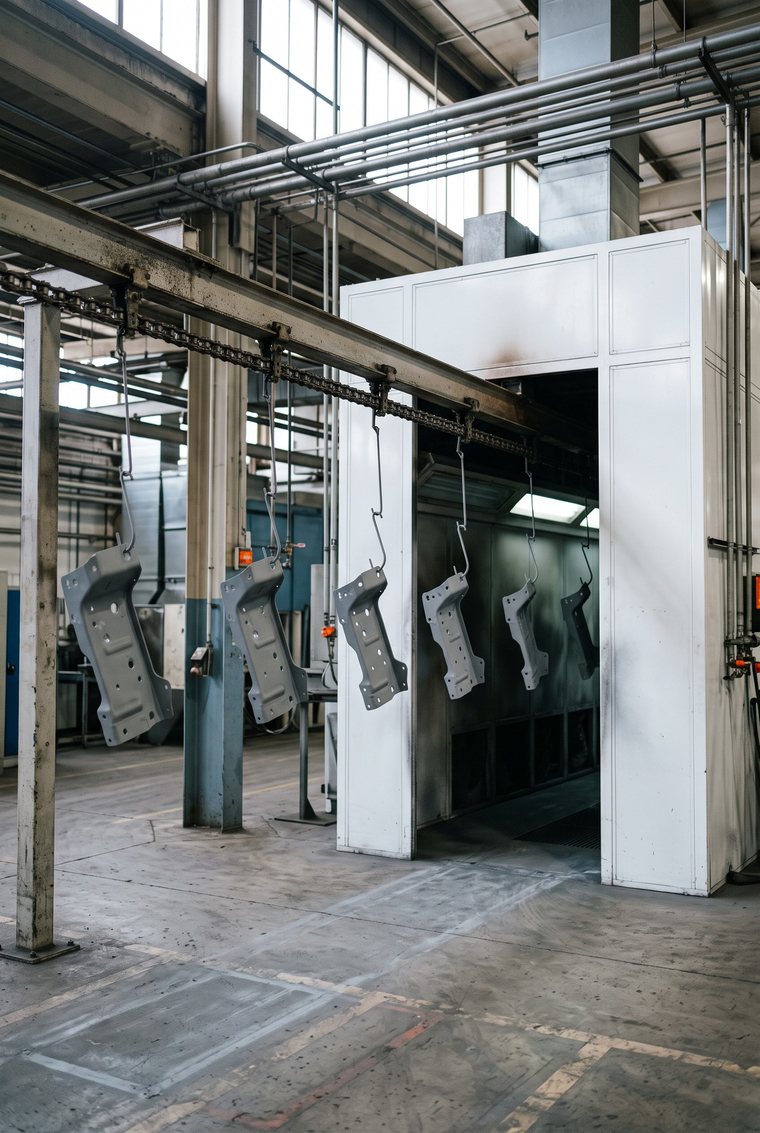
Paint line controlsAutomotive supplier, Spartanburg, South Carolina, 2025
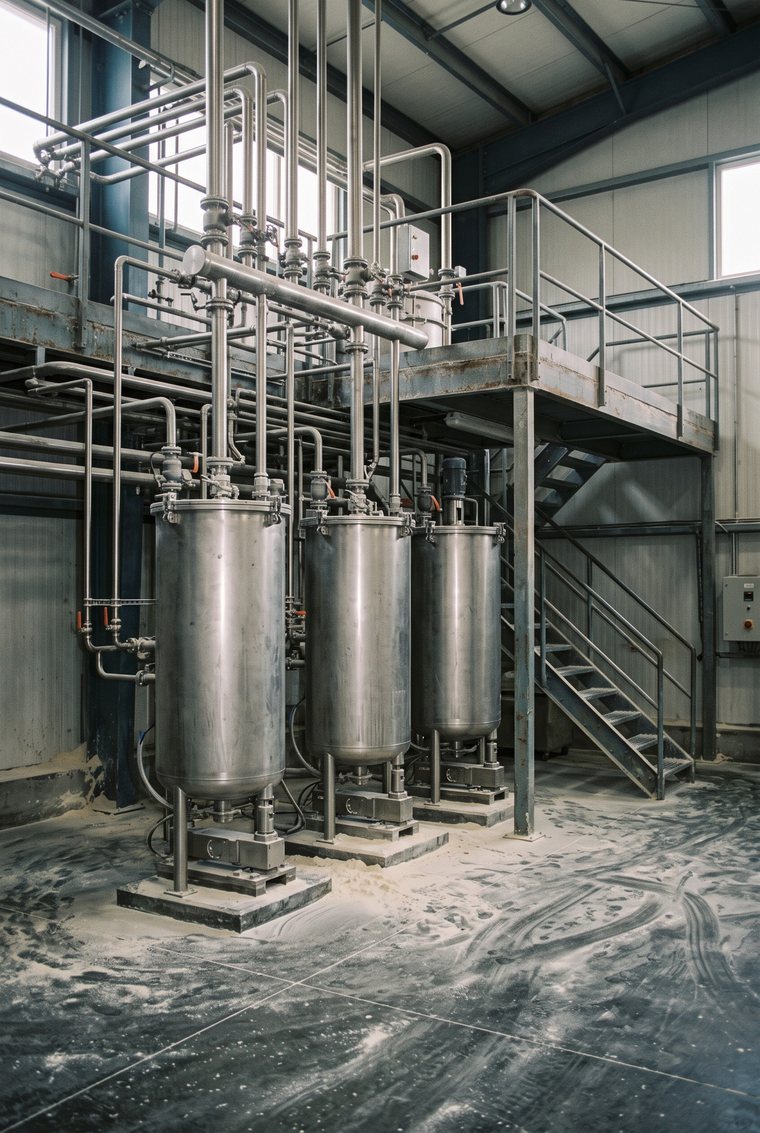
Batch mixing systemBakery ingredients plant, Battle Creek, Michigan, 2024
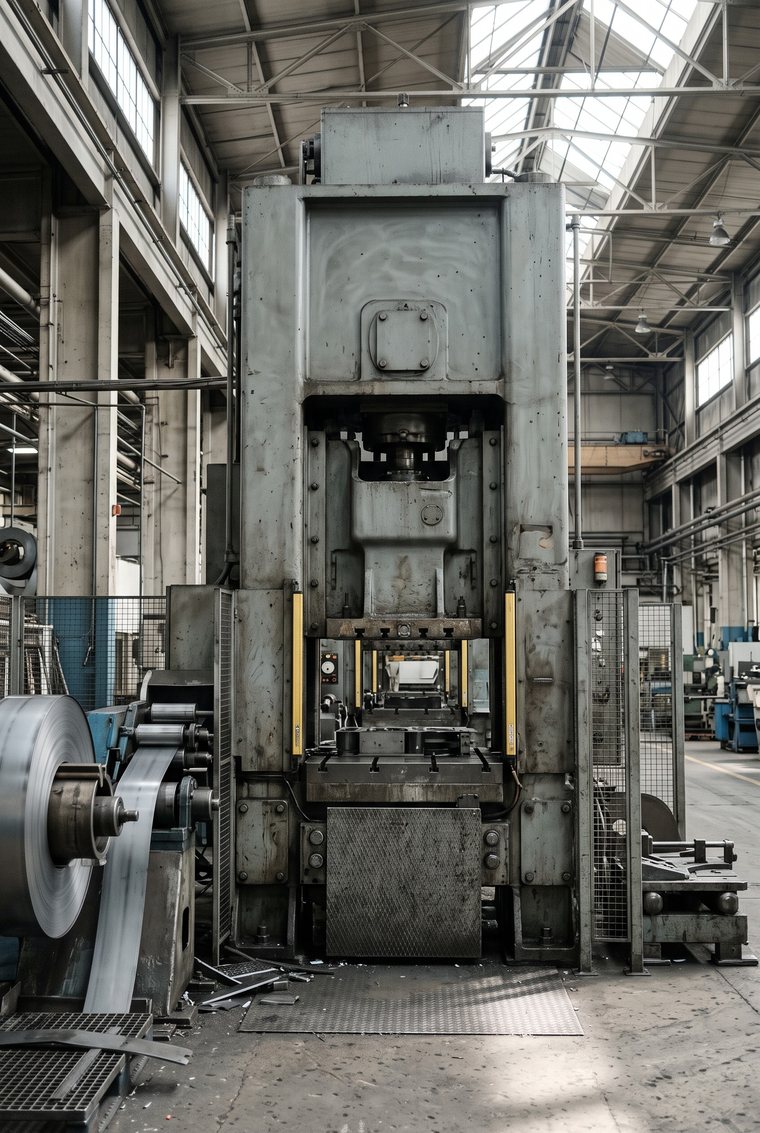
Press line safety upgradeStamping plant, Greer, South Carolina, 2026
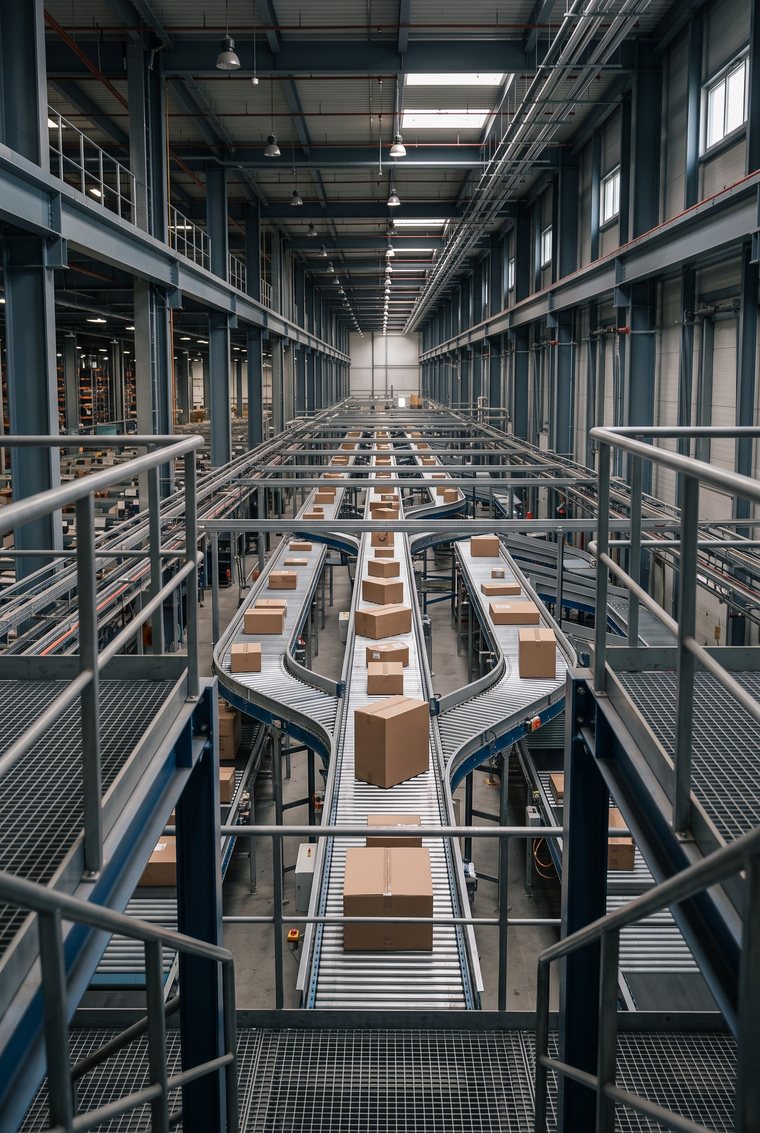
Sortation conveyor controlsDistribution center, Walker, Michigan, 2023
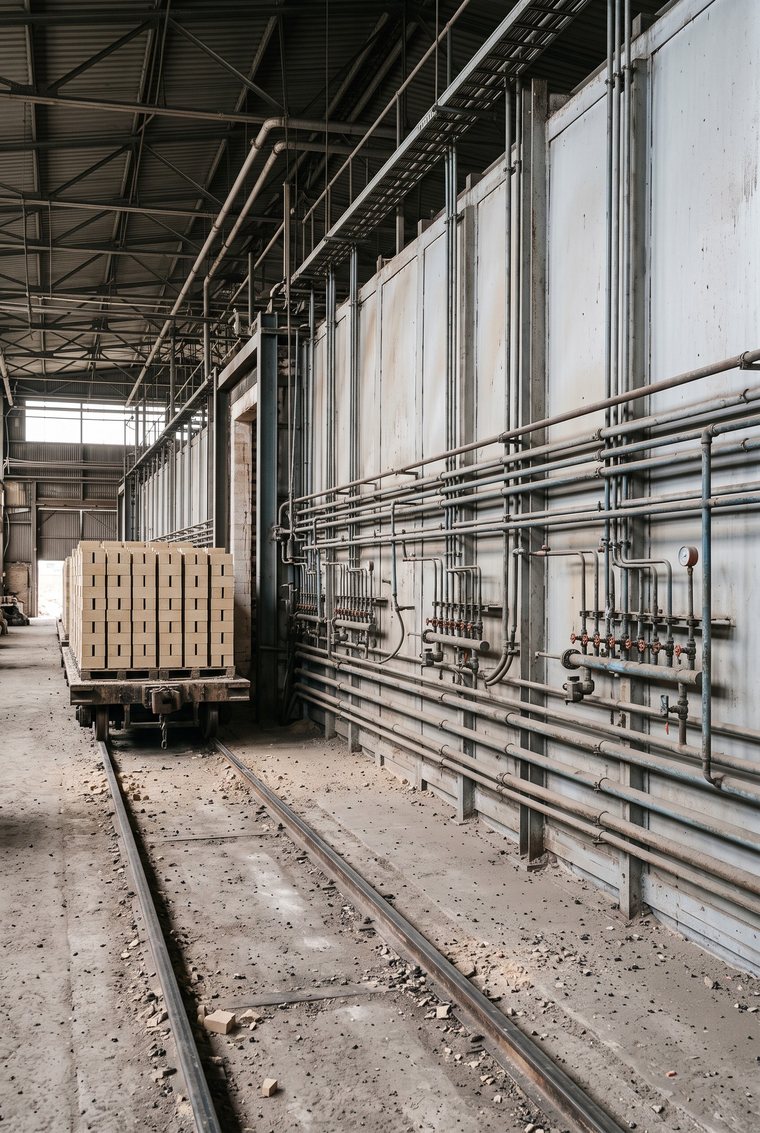
Kiln controls and burner managementBrick maker, Columbia, South Carolina, 2024
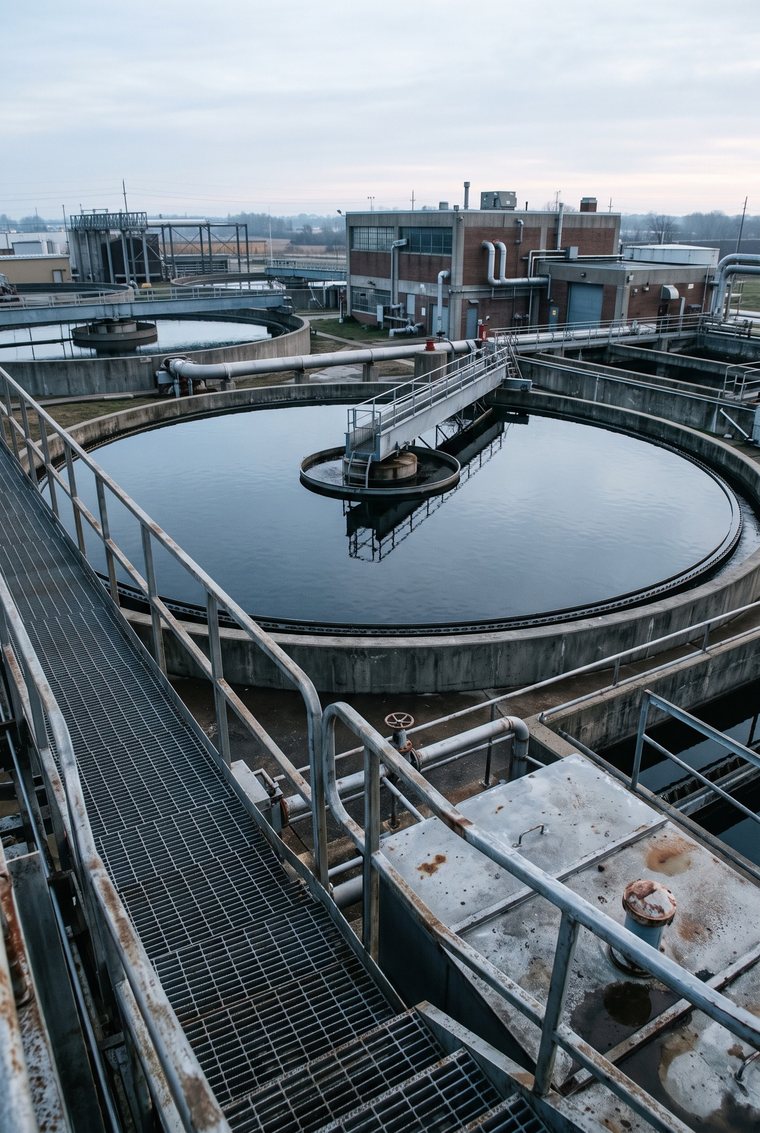
Plant screens replaced, 9,000 signalsCity wastewater plant, Muskegon, Michigan, 2026
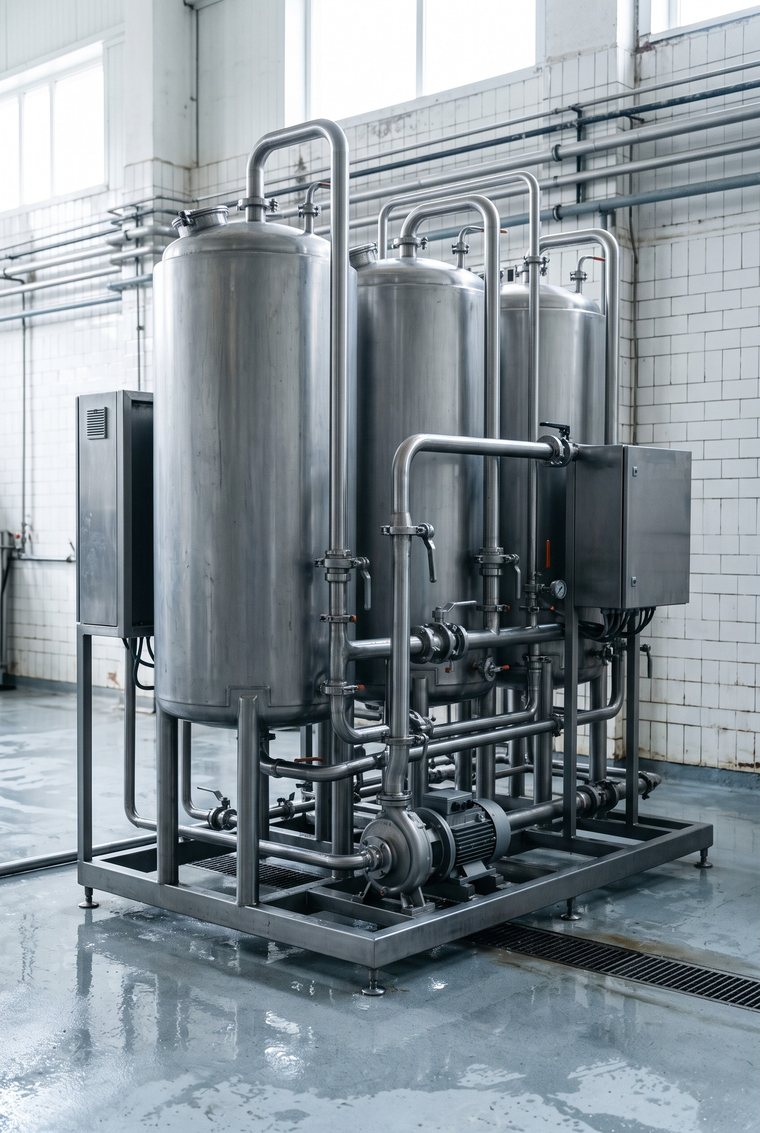
Clean-in-place skid, three circuitsDairy, Coopersville, Michigan, 2025
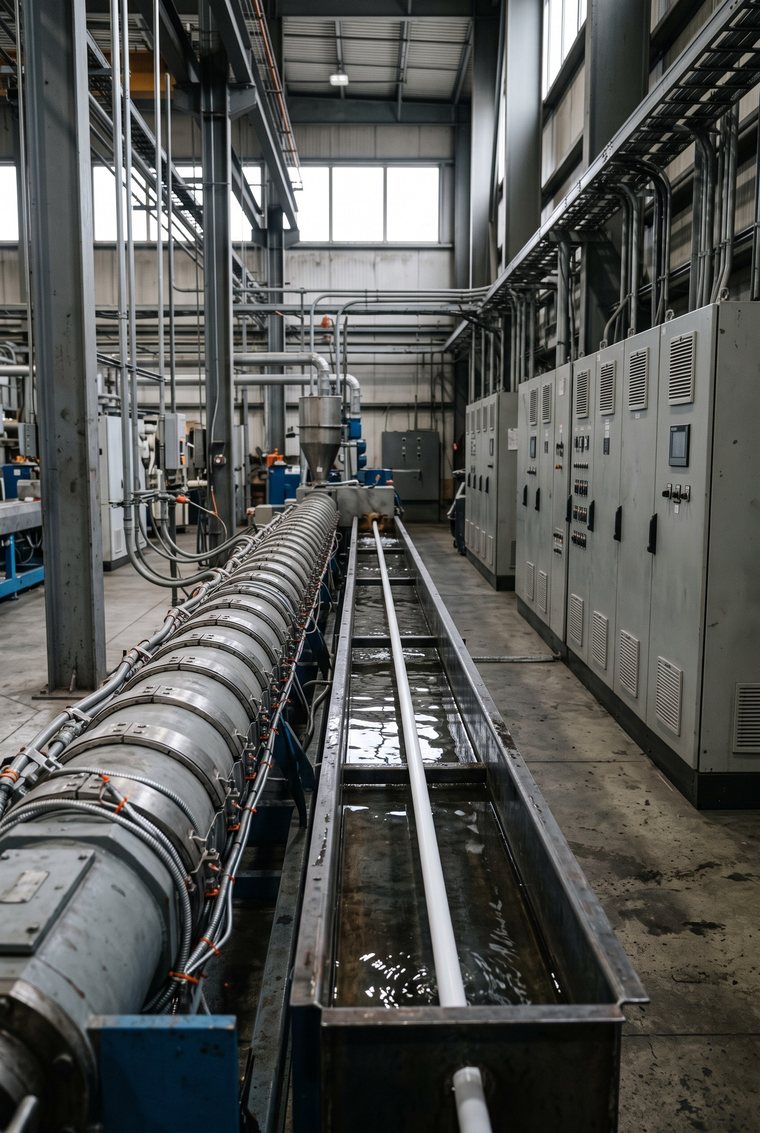
Extrusion line drivesPlastics plant, Anderson, South Carolina, 2023
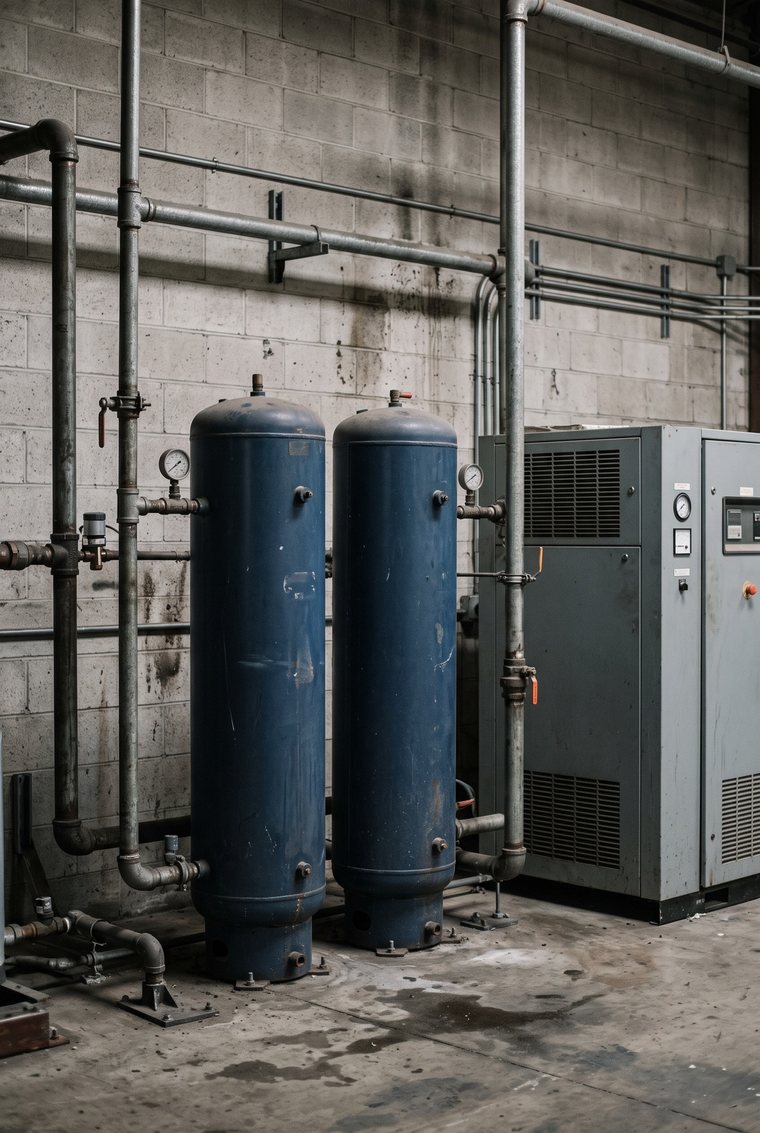
Compressed air monitoringOffice furniture maker, Zeeland, Michigan, 2026
Bottling line 4, Holland, Michigan, 2025. The line’s controller and its eleven drives were no longer made, and spares came from auction sites. Halden converted the program, tested it for three weeks against a simulation of the line, and replaced the controller, the drives and four operator screens in a 9-day shutdown. The line restarted six hours early, and in its first month ran 4% faster than before, because two timers nobody had dared to touch could at last be changed.
What customers say
“They walked the line with my night-shift electrician before they wrote a word of the proposal. The price they gave us is the price we paid.”
“The shutdown was nine days. We were filling bottles on the morning of the ninth. I have the source code and I can read it.”
“We called at ten past two on a Sunday morning. An engineer who knew our plant answered, and the pumps were back in forty minutes.”
Figures and standards
1,180 projects
Delivered since 2011, to October 2026.
312 plants
In 14 states have a system Halden built or rebuilt.
58 of 60
Shutdown projects in 2025 restarted on or before the planned hour. The other two restarted within one shift of it.
2,460 panels
Control panels built in the Grand Rapids shop.
11 minutes
Median time for an engineer to pick up a call to the 24-hour line at night, in the 12 months to October 2026.
64 staff
In November 2026: 37 engineers, 15 panel shop technicians, 7 in service and 5 in the office. Nine of the engineers are licensed Professional Engineers.
UL 508A and UL 698A. The panel shop is listed to UL 508A for industrial control panels, and to UL 698A for panels serving hazardous locations.
ISO 9001:2015. The quality system has been certified to it since 2016.
Functional safety. Two engineers hold a functional safety engineer certificate for machinery.
People and places
Karin Halden, PE, president and co-founder. Fourteen years as a controls engineer in furniture and food plants before 2011. Still walks the first site visit of every new customer.
Marcus Oyelaran, director of engineering and co-founder. Wrote Halden’s programming standard, which is published and free for any plant to use.
Teresa Villanueva, panel shop manager. Runs the 11,000 square foot shop in Grand Rapids and signs off every panel before it ships.
Daniel Brandt, PE, machine safety lead. Has assessed more than 400 machines.
Priya Raman, head of service. Runs the 24-hour line and its seven engineers.
Joel Whitcomb, PE, Greenville office lead. Opened the Greenville office in 2019.
Grand Rapids, Michigan. Head office, engineering and the panel shop.
1820 Foundry Row SWGrand Rapids, MI 49503Greenville, South Carolina. Engineering and service for the Southeast, opened in 2019.
Suite 210, 44 Mill Race CourtGreenville, SC 29601Halden works in plants across the eastern United States. Most of its customers are in Michigan, Ohio, Indiana and the Carolinas. Engineers travel from either office.
Ask for a site walk
A request is answered within one working day, by an engineer.
- Telephone
- (616) 555-0142Monday to Friday, 7:30am to 5:00pm Eastern.
- 24-hour service line
- (616) 555-0199Answered by a controls engineer at any hour.
- Head office
- 1820 Foundry Row SWGrand Rapids, MI 49503